

 Facebook
 X
X
 Pinterest
 Copy Link
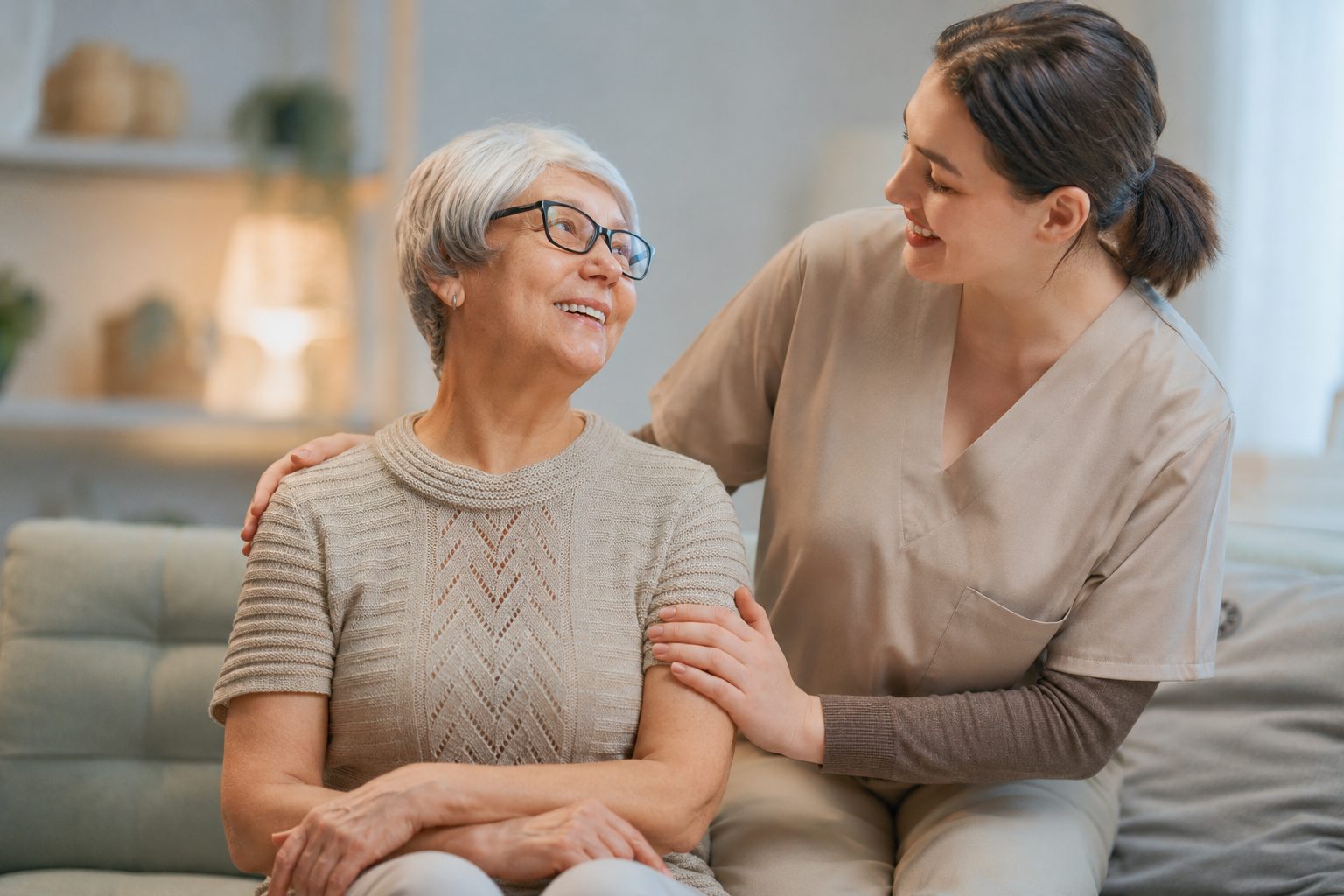
The hardest part isn’t finding a caregiver. It’s knowing who you can trust.
Once someone becomes part of your parent’s daily life, the logistics fade and a deeper
question takes their place: Is this person actually the right fit?
I sat down with Patricia — who has navigated her mother Ruth’s care for more than a
decade — to talk through exactly that.
WATCH: https://www.youtube.com/watch?v=p2xPAONjG1
Meeting Someone Where They Are
A great caregiver’s job is to take care of the person — not fix them. That distinction
matters more than it might sound.
The right fit doesn’t rush slow movements or grow impatient with repeated questions.
They don’t try to correct the reality of aging. They meet people exactly where they are —
whether that means memory loss, confusion, or physical limitation — without trying to
change the person behind it.
In practice, that looks like:
- Staying calm when the same question is asked for the tenth time
- Guiding without controlling
- Supporting without stripping away independence
- Protecting dignity, especially in the most vulnerable moments
The Power of the Right Words
Patricia shared a moment that stayed with her.
Ruth, confused, looked around her room and asked: “Where am I?”
The caregiver didn’t correct her. Didn’t show urgency. She simply said:
“You’re home, sweetheart. Your bedroom is right over there.”
The tension evaporated. That’s what a good fit looks like in the moment that matters.
Why Training Is the Foundation
Heart matters — but it isn’t enough on its own. Caregiving for an aging parent is one of
the most demanding roles a person can take on. Love doesn’t automatically teach you
how to manage a fall, monitor vital signs, or prevent medical complications.
Caregivers who are Certified Nursing Assistants (CNAs) bring a level of safety that gave
Patricia’s family room to breathe. CNA training covers:
- Mobility assistance and fall prevention
- Bathing, dressing, and personal care
- Vital sign monitoring
- Recognizing early warning signs before they become emergencies
That foundation changes the safety of the home in ways that are immediate and
measurable.
Two Skills That Made an Immediate Difference
Patricia pointed to two specific professional skills she saw in action:
1. Standby Assist — The discipline of helping only when needed. The caregiver
stays within arm’s reach but lets the person move and participate on their own. It
protects safety while building confidence.
2. De-escalation — When confusion or anxiety rises, a skilled caregiver doesn’t
push back. They stay calm, redirect gently, and guide the moment instead of
reacting to it.
More Than a Visitor, Less Than a Stranger
The right caregiver understands the sanctity of the home. They help with the daily
rhythm — laundry, organization, small tasks — without taking over. They don’t disrupt
the space; they support it.
Over time, they become something hard to define. Not quite family, but no longer a
stranger. A steady, trusted presence that allows everyone else to breathe a little easier.
A Note Before You Go
Choosing care is a significant decision. I’m not a medical or legal professional, and
neither is Patricia. But one thing became clear through our conversation:
The right caregiver doesn’t just help someone get through the day.
They help them feel like themselves again.
For families walking through this season, that difference means everything. If you’re in the middle of this and want to talk through the options, feel free to reach out.
No pressure, no agenda.
And if you missed Part 1 or Part 2 of this series, links are below.
[LINK: Part 1 — https://www.youtube.com/watch?v=VVPtEd14XO4 ]
[LINK: Part 2 — https://www.youtube.com/watch?v=i_5OtyRw_Dc]
Note: I am not a medical or legal professional. If you are considering caregiver support for a loved one, please
consult qualified professionals.
