

 Facebook
 X
X
 Pinterest
 Copy Link
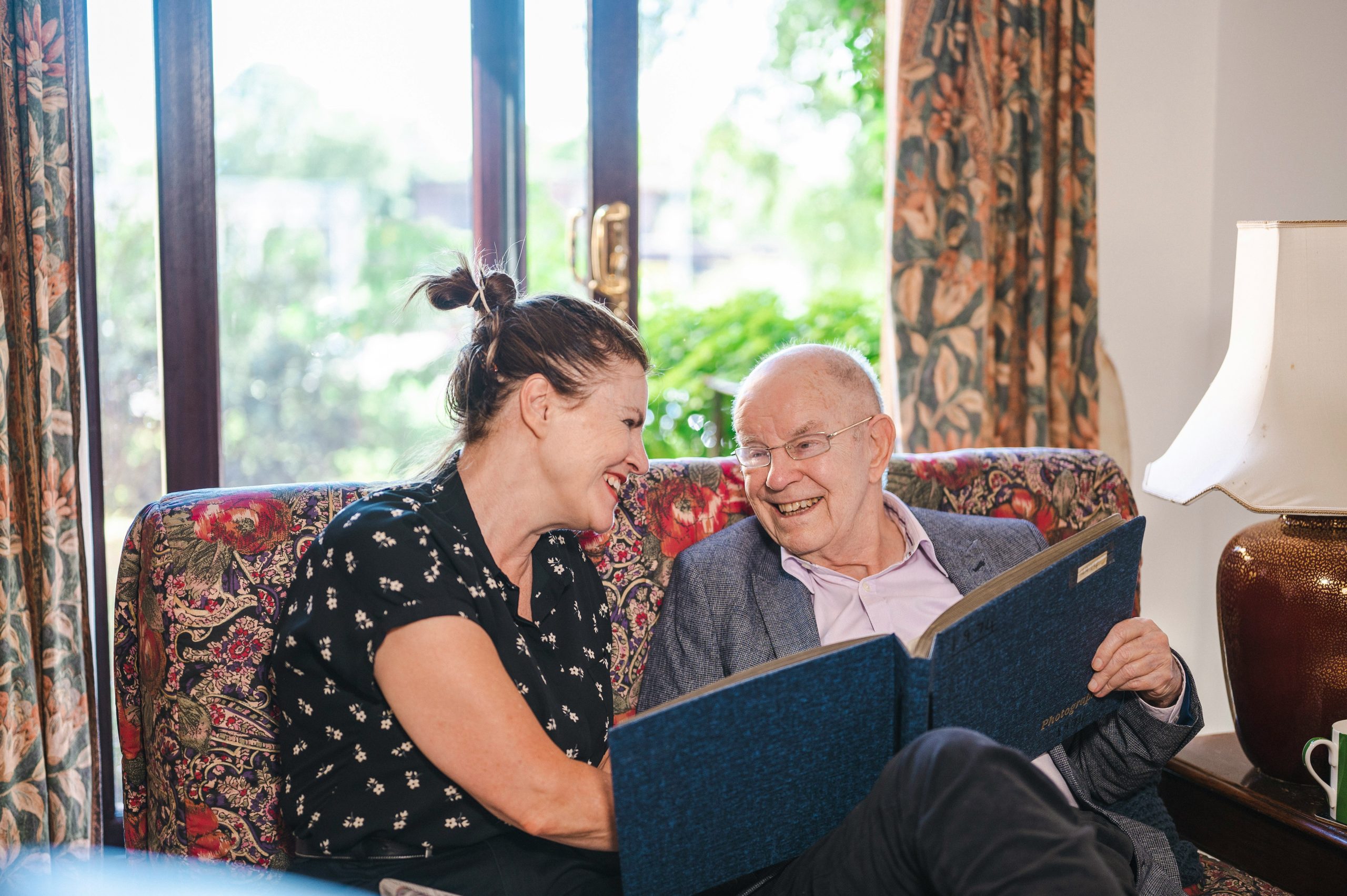
A caregiver is needed when an aging parent can no longer safely manage daily activities, recover well from health setbacks, or remain safe without consistent support at home or overnight.
It is usually not one single moment. It is a pattern of growing risk—such as repeated falls, nighttime safety concerns, or declining recovery—that signals the need for caregiving support.
In this story, Patricia experiences this reality firsthand while caring for her mother, Ruth. Watch the video here: https://www.youtube.com/watch?v=i_5OtyRw_Dc
Patricia’s Story: When Care Becomes a Real Decision
In the first video, Patricia realized her mother needed more help.
In this stage of the journey, she had to decide what kind of care was truly right—and how to put that support in place. She spent about a month carefully exploring care options while navigating a difficult balance:
Safety vs. Independence.
Exploring Care Options for an Aging Parent
Patricia first looked into board-and-care homes.
However, Ruth was not interested.
These environments did not provide the social lifestyle she valued, and the transition felt too limiting. At the same time, staying in her independent living community began to feel increasingly risky, even though it still provided social connection and routine.
This is a common caregiving challenge families face:
How do you protect safety without taking away independence? Eventually, Patricia made a decision. Ruth would move into her home so care could be more closely supported. From there, she began building a caregiving team.
So, When Is It Truly Time for a Caregiver?
Here are the most important warning signs families often see:
1. Slower Recovery Time
Aging parents take longer to recover from small illnesses, falls, or fatigue.
2. Night-Time Safety Issues
Confusion, wandering, or getting up at night increases risk of falls.
3. Decline in Hygiene or Grooming
Wearing the same clothes, missed bathing, or reduced self-care.
4. Nutrition Problems
Expired food, skipped meals, or relying on very simple foods.
5. Family or Caregiver Burnout
When family members begin feeling overwhelmed, exhausted, or unable to keep up.
Simple truth: If safety or sustainability is breaking down, it is time for caregiving support.
How Patricia Found Caregivers
Once care became necessary, Patricia explored two main options.
Option 1: Caregiving Agencies (Structured Support)
Caregiving agencies help families find trained caregivers.
They are usually found online or through medical referrals.
Agencies typically provide:
- Caregiver screening and matching
- Scheduling and backup coverage
- Payroll and administrative support
- A contact person for concerns or changes
Best for: Families who want structure, reliability, and less administrative responsibility.
Option 2: Private Hiring (More Control)
Patricia also hired caregivers directly.
She had already observed two caregivers at Ruth’s community and trusted their care, so she later hired both.
Families can also find caregivers through:
- Medical referrals
- Personal networks
- Platforms like Caring.com
Responsibilities include:
- Hiring and interviews
- Setting pay rates
- Scheduling shifts
- Payroll management
- Day-to-day coordination
Best for: Families who want flexibility and consistent caregivers, but can manage more responsibility.
What Worked Best for Patricia
Patricia ultimately found a hybrid approach.
She hired caregivers she already knew and trusted.
This gave her:
● Familiar caregivers
● More consistency for Ruth
● Less uncertainty in daily care
Key Takeaway: What Caregiving Really Means
Caregiving is not just about hiring help.
It is about building a system that works long-term.
A strong caregiving system should:
- Keep the senior safe
- Provide consistent support
- And allow the family to step back into their role as family—not full-time caregivers
What Comes Next
Once caregivers become part of daily life, another important question arises:
What actually makes a caregiver the right fit?
It is not just skills or experience—it is personality, patience, and emotional connection. That is what we will explore in the next part of this story.
Important Note
This story is based on real caregiving experiences.
It is not medical or legal advice. For care planning decisions, always consult qualified healthcare professionals or elder care specialists.
Final Thought
Most families do not recognize caregiving needs in one moment.
They recognize it through patterns—small changes that gradually
become impossible to ignore.
