

 Facebook
 X
X
 Pinterest
 Copy Link
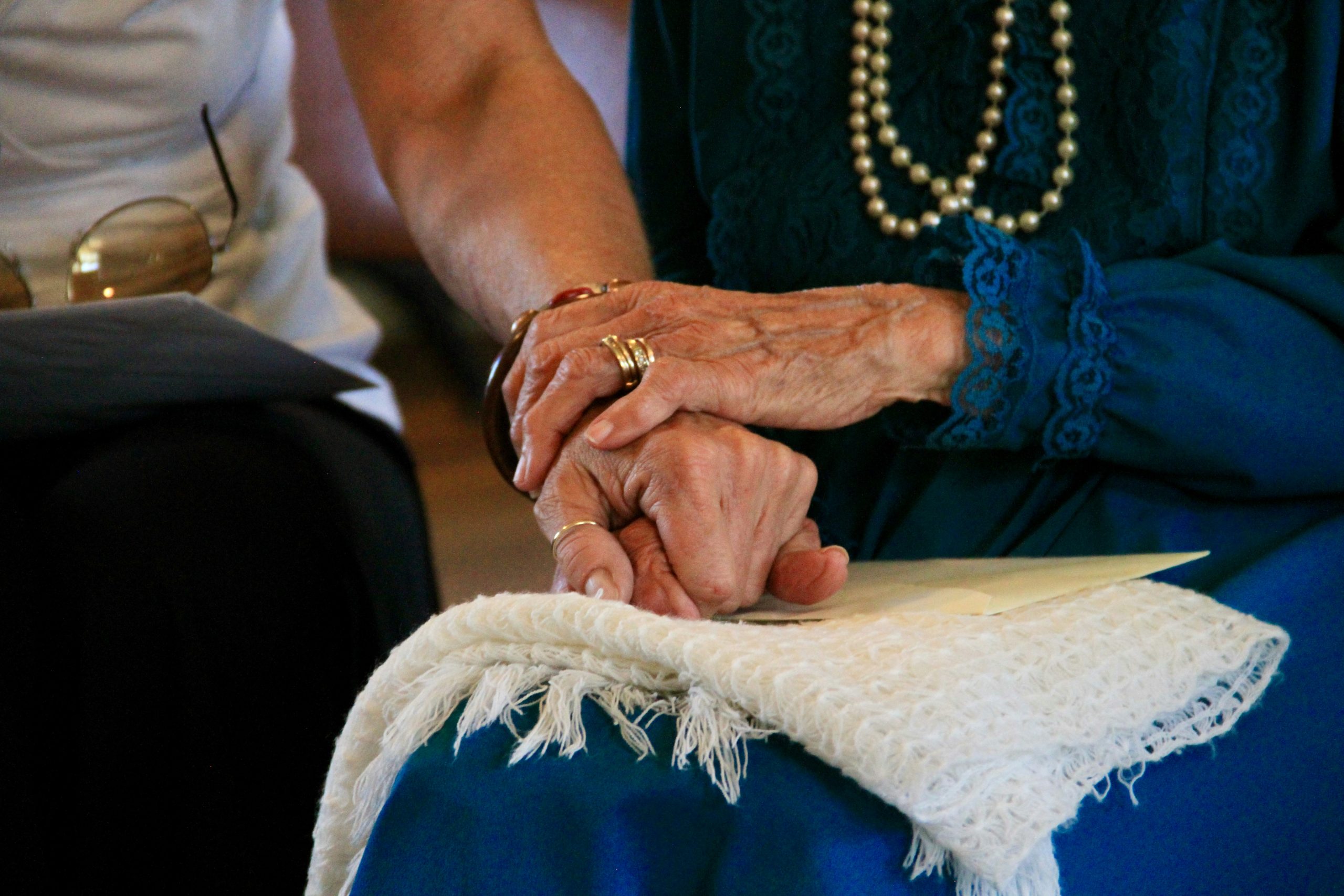
Most families don’t miss the big moments. It’s the small ones that slip by — a missed phone call, an unopened pile of mail, or a fridge that’s nearly empty.
In this story, we follow Patricia’s journey caring for her mother Ruth, and the subtle signs that signaled it was time for more support.
Watch the video here:
https://www.youtube.com/watch?v=VVPtEd14XO4
Ruth’s Story: What “Fine” Can Look Like
Ruth was 80, living alone in a home she loved. She was active, social, and independent. Patricia lived nearby and checked in often, but slowly noticed small changes. Ruth began relying more on neighbors for groceries, paperwork, and daily tasks.
Nothing seemed urgent — just a quiet shift.
Eventually, Patricia helped Ruth move into an independent living community close to her home. Ruth adjusted well, making friends and enjoying activities like movie nights and chair yoga. For years, everything felt stable.
When the Signs Became Hard to Ignore
At 88, Ruth fell and broke her hip. After surgery and recovery, she insisted she no longer needed help. But six months later, she fell again. This time, the impact was more serious.
After returning home, Patricia began noticing deeper changes — missed medications, unpaid bills, and poor eating habits.
A caregiver eventually told her, “You know your mom needs help.”
Patricia later reflected, “The caregivers knew more about my mom than I did.”
Six Signs Worth Paying Attention To
- Changes in hygiene or grooming
- Missed mail or unpaid bills
- Frequent falls or mobility issues
- Memory lapses or confusion
- Weight loss or poor nutrition
- Difficulty with daily tasks
What Families Can Take From This
- Small changes add up — don’t wait for a crisis
- Planning ahead gives you more options
- Outside perspective can reveal what you might miss
- Support doesn’t end independence. It extends it.
Coming Up Next
Patricia shares how she built a caregiver plan for Ruth and what that process looked like.
If you’re going through something similar, feel free to reach out. No pressure — just a conversation.
